
On January 8, 2026, Illinois Governor JB Pritzker signed the Clean and Reliable Grid Affordability Act (CRGA) into law. The legislation — which takes effect June 1, 2026 — is being described by clean energy advocates as one of the most significant state-level grid policies in the country.
That framing is correct. But what it means for your company depends entirely on what kind of energy company you are.
What CRGA Actually Does
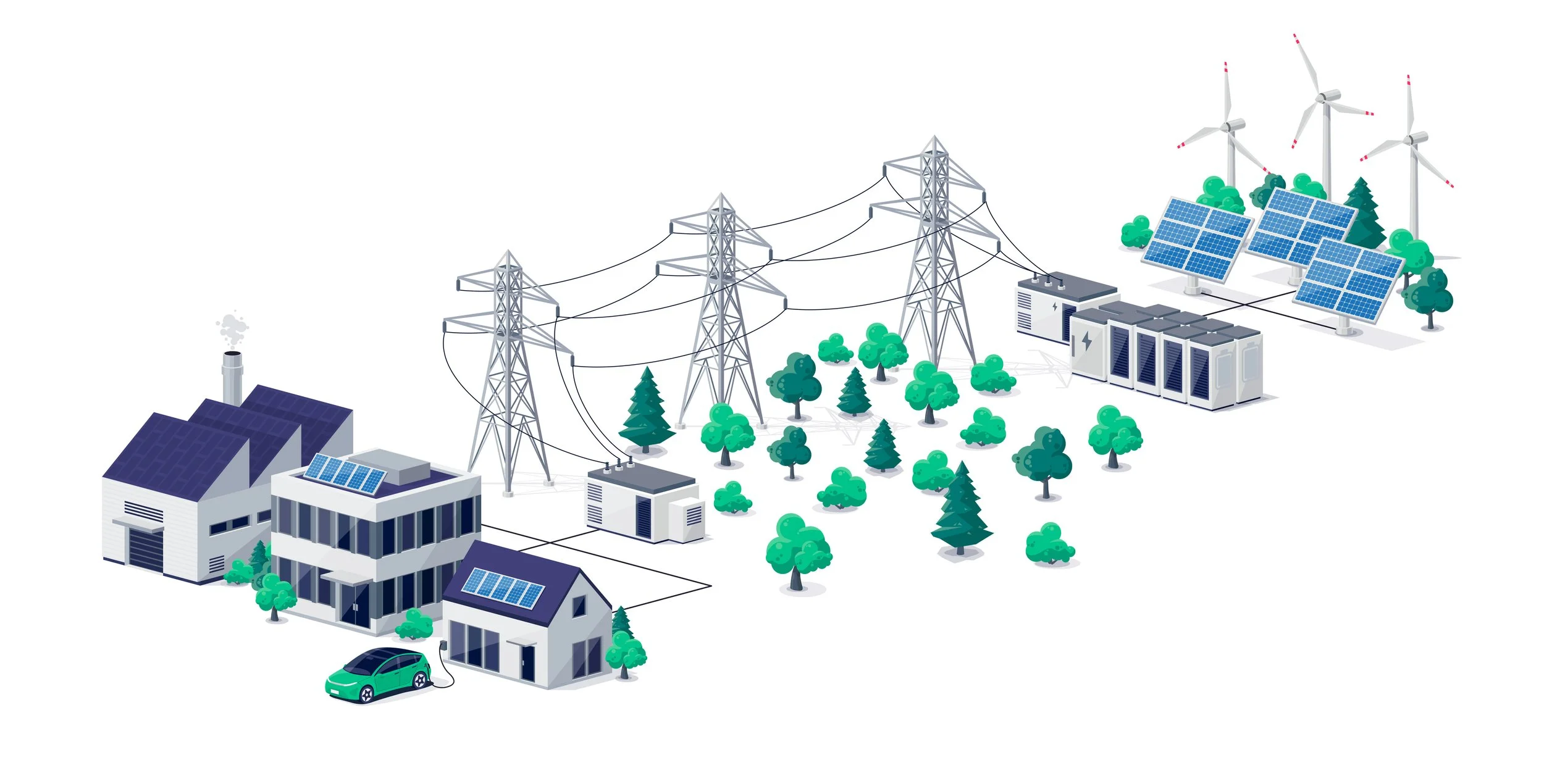
The law addresses a crisis that Illinois ratepayers felt acutely in 2025: a 20–25% spike in electricity bills driven in large part by surging capacity prices and growing data center demand. The 2026/2027 PJM Capacity Auction settled at a record-setting $329.17 per megawatt-day. The legislation responds to that crisis with a sweeping package: 3 gigawatts of new grid-scale battery storage by 2030, virtual power plant programs, a new state Integrated Resource Planning process, expanded energy efficiency mandates, and the lifting of a moratorium on new large nuclear reactors.
Why This Matters Beyond Illinois
Illinois is widely watched by other state legislatures as a policy laboratory. CRGA is being explicitly cited by clean energy advocates as a national model. New York Governor Hochul, in her own 2026 State of the State, unveiled a sweeping Ratepayer Protection Plan that similarly targets utility accountability, data center cost-shifting, and nuclear reliability — signaling that the Illinois framework is already migrating east.
For energy companies, utilities, storage developers, and large industrial ratepayers, the policy pipeline that started in Illinois will arrive in legislatures across the country. Some of those states will move fast. Some will take a harder line on utilities. Some will create new procurement opportunities. And some will create new compliance obligations.
The question for your organization is not whether state energy legislation will affect you. The question is which states will move first — and whether you'll see it coming.
The Intelligence Imperative
The difference between getting ahead of legislation like CRGA and scrambling to catch up is not how many states your tracking software covers. It's whether you have someone watching the right states, reading the right signals, and telling you what it means before the session ends.